

Alcohol and Your Health: What Does the Evidence Really Say?
The USDA made headlines earlier this year when they changed their stance for alcohol consumption from recommending 2 standard drinks a day or less for men and 1 drink a day or less for women to a more ambiguous “consume less for better health”. While some people may take this to mean that there is no established upper limit to alcohol consumption, here is our take on the issue: there is no risk-free threshold of alcohol consumption. Let’s break down the research why.
The USDA made headlines earlier this year when they changed their stance for alcohol consumption from recommending 2 standard drinks a day or less for men and 1 drink a day or less for women to a more ambiguous “consume less for better health”. While some people may take this to mean that there is no established upper limit to alcohol consumption, here is our take on the issue: there is no risk-free threshold of alcohol consumption. Let’s break down the research why.
There has been no update on alcohol guidelines since 1980- pretty crazy, right? Heavy drinking, defined as more than 3 drinks a day for men or women, is linked to everything from increased incidence of cancers to osteoporosis to strokes to disruption of the gut microbiome.
We know alcohol is a grade one carcinogen, the same category as asbestos, gamma radiation and formaldehyde. It has been extensively studied in vitro ( on a cellular level) in breast cancer cells and is linked to growth promotion, angiogenesis, and found that cells repeatedly treated with alcohol increased their ability to migrate and metastasize other tissues. Women who consume one to two drinks per day have higher rates of breast cancer. One drink a day in women is linked to higher rates of cirrhosis. If you are noticing a trend here, women are more adversely affected by alcohol in smaller amounts than men.
In regards to metabolic health, alcohol is very calorically dense. It has 7kcal/g, compared to protein and carbs which are 4kcals/g. Daily drinkers have higher rates of fatty liver disease, and there are potential links to poor appetite control.
Although many people use alcohol to relax and fall asleep, it is actually linked tpo poorer quality of sleep, even when usedin small amounts. Alcohol is associated with higher rates of sleep apnea, insomnia, daytime napping, and sleep duration.
What about Red Wine? There are some studies that suggest a reduced risk of type 2 diabetes, cardiovascular disease and stroke, especially in red wine drinkers with high levels of polyphenols. Here is what is often glossed over about these studies: they are of low quality evidence and are conflicting. There are minimal to no randomized controlled trials on alcohol consumption and studies generally rely on self-reporting. This method is often inconsistent and people may not realize the true definition of what one drink means :
Beer: 12 fluid ounces (one regular bottle or can) at roughly 5% alcohol by volume (ABV)
Wine: 5 fluid ounces (one standard glass) at roughly 12% ABV
Malt Liquor: 8 fluid ounces at roughly 7% ABV
Distilled Spirits / Liquor: 1.5 fluid ounces (one standard shot) of 80-proof liquor like vodka, gin, rum, or whiskey at 40% ABV
The Bottom line:
If there is a potential beneficial link to occasional and moderate amounts of alcohol consumed to reduced type 2 diabetes and cardiovascular risk, the flip side is that alcohol is carcinogenic, is linked to poor sleep, negatively impacts on our liver and is a calorically but not nutritionally dense substance.
What does this mean in terms of our recommendation to you? The less alcohol you drink, the better your outcomes for longevity. That doesn’t mean you need to stop drinking alcohol forever, but enjoy in moderation. After all, enjoying simple pleasures is what makes life worth living.
Impact level: 9/10
References
MacKenzie R. Peltier, Geetanjali Chander, Hendrée E. Jones, Grace Chang, Sherry A. McKee,Less than what? Response to alcohol consumption recommendations in the 2025–2030 dietary guidelines for Americans. The Lancet Regional Health - Americas. Volume 60,2026,101510,ISSN 2667-193X,
Study laying out the current changes to USDA guidelines based on most updated studies available: show consistent cancer risk and link to morbidity and mortality even at low levels of alcohol use
Tharmalingam J, Gangadaran P, Rajendran RL, Ahn BC. Impact of Alcohol on Inflammation, Immunity, Infections, and Extracellular Vesicles in Pathogenesis. Cureus. 2024 Mar 25;16(3):e56923. doi: 10.7759/cureus.56923. PMID: 38665743; PMCID: PMC11043057.
Pathogenesis mechanisms of alcohol consumption on a cellular level
George S, Naimi TS, Keyes K, Martinez-Matyszczyk P, Milam AJ, Rehm J, Alonso A, Bell S, Britton A, Llamosas-Falcón L, Hobin E, Judd SE, Justice A, Kahler C, Liangpunsakul S, Jones SK, Marcus G, McGlynn K, Satre D, Song M, Thrift AP, Udo T, Wettlaufer A, Zhang ZF, Shield K. Alcohol Intake and Health Study: No Protective Effect at Low Levels, With Mortality Increasing to 1 in 25 at 14 Drinks Per Week. J Stud Alcohol Drugs. 2026 Jul;87(4):621-638. doi: 10.15288/jsad.25-00435. PMID: 42420014.
Study showing link to morbidity and mortality at old guideline levels of alcohol
Zheng JW, Ai SZ, Chang SH, Meng SQ, Shi L, Deng JH, Di TQ, Liu WY, Chang XW, Yue JL, Yang XQ, Zeng N, Bao YP, Sun Y, Lu L, Shi J. Association between alcohol consumption and sleep traits: observational and mendelian randomization studies in the UK biobank. Mol Psychiatry. 2024 Mar;29(3):838-846. doi: 10.1038/s41380-023-02375-7. Epub 2024 Jan 18. PMID: 38233469.
Observational and Randomized Mendelian study of over 300,000 people in the UK looking at relationship between alcohol consumption and sleep
Written and Medically reviewed by Kathleen Kearns, FNP-BC

Metabolic Syndrome: Risk Factors, Prevention, and Longevity
“Metabolic disease” is a broad term that can refer to many different conditions. When we evaluate cardiometabolic risk, one useful framework is metabolic syndrome.Metabolic syndrome is not a single disease. It is a cluster of common findings that tend to occurtogether and are associated with a higher risk of developing type 2 diabetes, cardiovascular disease and stroke.
“Metabolic disease” is a broad term that can refer to many different conditions. When we evaluate cardiometabolic risk, one useful framework is metabolic syndrome.Metabolic syndrome is not a single disease. It is a cluster of common findings that tend to occurtogether and are associated with a higher risk of developing type 2 diabetes, cardiovascular disease and stroke. A person meets the traditional definition of metabolic syndrome when three or more of the
following five findings are present:
1. Abdominal obesity — commonly defined as a waist circumference greater than 40 inches in
men or 35 inches in women.
2. Elevated blood pressure — 130/85 mmHg or higher, or treatment for high blood pressure.
3. Elevated fasting triglycerides — 150 mg/dL or higher, or treatment for elevated triglycerides.
4. Low HDL cholesterol — less than 40 mg/dL in men or less than 50 mg/dL in women, or
treatment for this lipid abnormality.
5. Elevated fasting glucose — 100 mg/dL or higher, or treatment for elevated blood glucose.
Why do these seemingly different findings tend to occur together?
Two important factors are insulin resistance and excess visceral adipose tissue—the fat storedaround our internal organs. These can contribute to abnormalities in blood sugar regulation,
triglycerides, blood pressure and other aspects of metabolic health.
Looking Beyond the Five Criteria
It is useful to think of metabolic health as a continuum rather than an on/off switch. You do not suddenly become metabolically unhealthy when you develop your third risk factor, nor does having fewer than three necessarily mean your metabolic health is optimal. Waist circumference is a useful marker of abdominal fat, but it does not tell the whole story.
Body-composition testing such as DEXA can provide additional information about fat distribution, lean mass and, with appropriate technology, visceral adipose tissue. This can help us refine your overall cardiometabolic risk assessment.The goal is not simply to determine whether you technically “have metabolic syndrome.” The goal is to understand where you are on the spectrum of cardiometabolic health and whether your risk is moving in the right direction.
The Good News
Many of these risk factors are highly modifiable. Improving dietary quality, increasing regular physical activity, building and maintaining muscle, improving cardiorespiratory fitness, reducing excess body fat when appropriate, and getting
adequate sleep can substantially improve metabolic health. For some people, lifestyle changes alone may not be enough. Depending on the underlying problem and an individual's overall risk, medications for obesity, diabetes, blood pressure or
abnormal lipids may also play an important role. The earlier these changes are identified and addressed, the greater the opportunity to prevent metabolic dysfunction from progressing into diabetes, cardiovascular disease and other chronic conditions.
Written and Medically Reviewed by Dr. Tobin Dennis
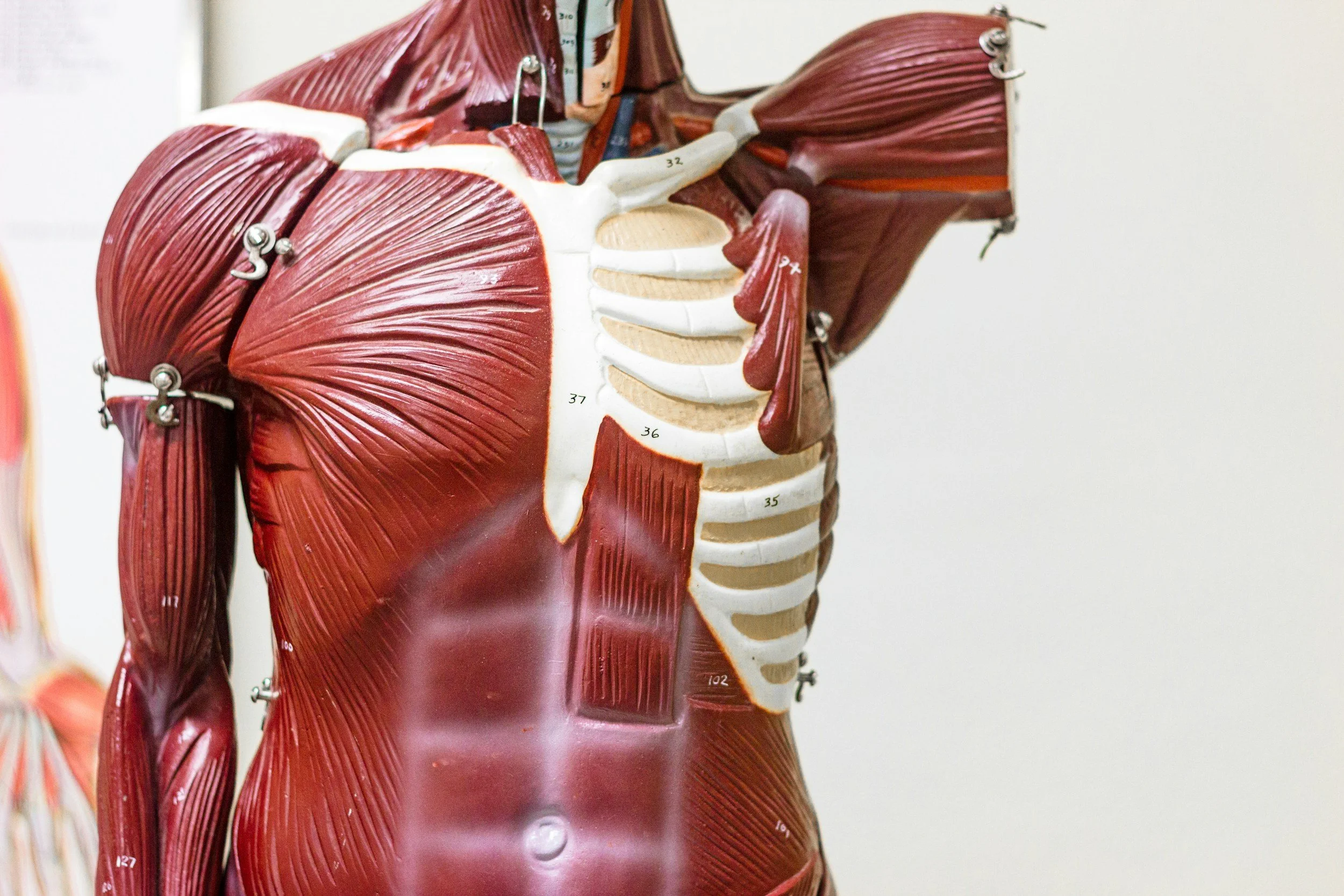
Why Muscle is One of the Most Beneficial Interventions for Longevity in Men and Women
Muscle strength is one of the strongest predictors of healthy aging. In large studies involving nearly two million adults, individuals with greater muscle strength had a substantially lower risk of premature death than those with lower strength—even after accounting for age and physical activity.
Over the last two decades, we have completely changed how to view skeletal muscle. It is now recognized that muscle is one of the body's largest endocrine organs—meaning it doesn't just help us move, it actively communicates with the rest of the body.
Muscle strength is one of the strongest predictors of healthy aging. In large studies involving nearly two million adults, individuals with greater muscle strength had a substantially lower risk of premature death than those with lower strength—even after accounting for age and physical activity.
Over the last two decades, we have completely changed how to view skeletal muscle. It is now recognized that muscle is one of the body's largest endocrine organs—meaning it doesn't just help us move, it actively communicates with the rest of the body. Healthy muscle releases signaling molecules called myokines that reduce inflammation, improve insulin sensitivity, support brain health, and even influence the immune system. In other words, muscle is constantly sending "stay healthy" messages throughout the body.
This helps explain why muscle mass and strength are among the strongest predictors of longevity. Numerous studies have shown that individuals with greater muscle strength—particularly grip strength and lower body strength—have lower rates of heart disease, diabetes, falls, disability, and even premature death. As we age, we naturally lose about 3–8% of our muscle mass each decade after age 30, with the rate accelerating after age 60. This process, called sarcopenia, is not an inevitable consequence of aging—it's largely the result of inactivity, inadequate protein intake, and insufficient resistance training.
The good news is that muscle is remarkably adaptable at any age. Even adults in their seventies, eighties, and nineties can build meaningful strength with progressive resistance exercise. Pairing strength training two to three times per week with adequate protein intake—roughly 1.2 to 1.6 grams per kilogram of body weight per day for most active adults—can dramatically improve muscle quality, metabolic health, and physical independence. Every pound of muscle you build becomes an investment in your future mobility, resilience, and health.
At Grand Health, we don't view muscle as something to pursue for appearance—we see it as one of the most powerful tools for preserving independence and preventing chronic disease. If your goal is to remain active enough to hike, ski, play with grandchildren, or simply get up from the floor without assistance decades from now, building and maintaining muscle may be one of the highest-return investments you can make.
Impact level: 10/10
References
Pedersen BK. Muscle as an endocrine organ. Comprehensive Physiology. 2013;3(3):1337-1362.
Landmark review introducing skeletal muscle as an endocrine organ and describing the role of myokines in whole-body health.
Severinsen MCK, Pedersen BK. Muscle–Organ Crosstalk: The Emerging Roles of Myokines. Endocrine Reviews. 2020;41(4):594-609.
Comprehensive review describing how skeletal muscle communicates with the brain, liver, adipose tissue, bone, pancreas, and immune system.
Fiatarone MA, Marks EC, Ryan ND, Meredith CN, Lipsitz LA, Evans WJ. High-intensity strength training in nonagenarians: Effects on skeletal muscle. JAMA. 1990;263(22):3029-3034.
Classic study demonstrating that adults in their 90s can significantly increase muscle strength and function with resistance training.
Leong DP, Teo KK, Rangarajan S, et al. Prognostic value of grip strength: Findings from the Prospective Urban Rural Epidemiology (PURE) Study. The Lancet. 2015;386:266-273.
Landmark international study showing grip strength is a powerful predictor of all-cause mortality and cardiovascular mortality.
Cruz-Jentoft AJ, Bahat G, Bauer J, et al. Sarcopenia: Revised European consensus on definition and diagnosis (EWGSOP2). Age and Ageing. 2019;48(1):16-31.
International consensus statement establishing muscle strength as the primary clinical indicator of sarcopenia.
Morton RW, Murphy KT, McKellar SR, et al. A systematic review, meta-analysis and meta-regression of the effect of protein supplementation on resistance training-induced gains in muscle mass and strength in healthy adults. British Journal of Sports Medicine. 2018;52(6):376-384.
Meta-analysis demonstrating that protein supplementation enhances gains in muscle mass and strength during resistance training, with benefits plateauing around 1.6 g/kg/day of total daily protein intake.
Medically Reviewed and Written by Dr. Tobin Dennis.